
Surah Tawbah — the ninth chapter of the Quran — is unlike any other surah. It carries a tone of direct divine address, accountability, and mercy intertwined, making it one of the most spiritually layered chapters a Muslim can study. Its benefits are not merely spiritual folklore; they are rooted in the surah’s own verses and in the understanding of classical scholars.
Among all 114 surahs, Surah Tawbah stands apart in structure and theme. Studying it seriously — not just reciting it — opens a Muslim to deeper awareness of repentance, loyalty, and reliance on Allah. For non-Arabic speakers especially, understanding its meanings transforms recitation from words into lived guidance.
Table of Contents
1. Protection of The Integrity of The Believing Community
Surah Tawbah is the only surah in the Quran that does not begin with بِسْمِ اللَّهِ الرَّحْمَٰنِ الرَّحِيمِ (Bismillah). Classical scholars of Tafsir, including Ibn Kathir and others, explain this as reflecting the surah’s tone — it was revealed as a declaration of disavowal from Allah and His Messenger toward those who broke their covenants.
The Basmala carries mercy and peace; the surah’s opening carries accountability.
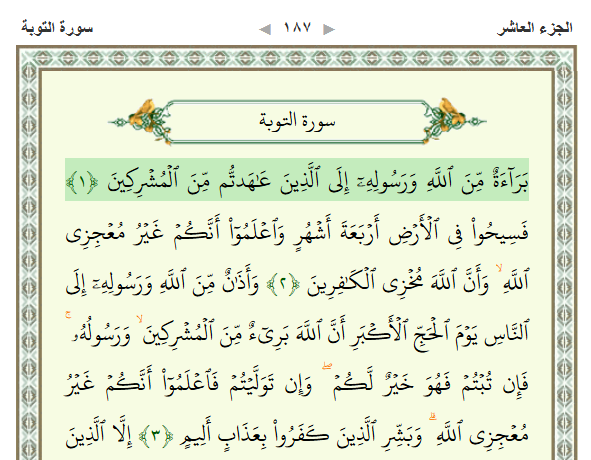
The scholar explained that the surah was revealed with the “sword” — meaning decisive, firm divine judgment. This is not harshness for its own sake. It reflects a core Quranic truth: divine accountability is itself a form of mercy, because it protects the integrity of the believing community.
For students reciting this surah, understanding this context changes everything. At Riwaq Al Quran, our Azhari-certified tutors emphasize that Tajweed and Tafsir must go hand in hand — especially for chapters like Tawbah.
You can explore the depth of Quranic meanings through our Online Quran Tafseer Course, designed specifically for non-Arabic speakers.
Enroll Now in Riwaq’s Tafseer Course with a FREE trial

2. Building a Muslim’s Deep Awareness of Sincere Repentance
One of the most celebrated benefits of Surah Tawbah is its direct, moving treatment of sincere repentance (Tawbah). The surah takes its very name from this concept. Allah describes with extraordinary tenderness the acceptance of repentance from those who fell behind during the Battle of Tabuk:
لَّقَد تَّابَ ٱللَّهُ عَلَى ٱلنَّبِىِّ وَٱلْمُهَٰجِرِينَ وَٱلْأَنصَارِ ٱلَّذِينَ ٱتَّبَعُوهُ فِى سَاعَةِ ٱلْعُسْرَةِ مِنۢ بَعْدِ مَا كَادَ يَزِيغُ قُلُوبُ فَرِيقٍ مِّنْهُمْ ثُمَّ تَابَ عَلَيْهِمْ ۚ إِنَّهُۥ بِهِمْ رَءُوفٌ رَّحِيمٌ
“Allah has already forgiven the Prophet and the Muhajireen and the Ansar who followed him in the hour of difficulty after the hearts of a party of them had almost inclined [to doubt], and then He forgave them. Indeed, He was to them Kind and Merciful..” (At-Tawbah 9:117)
Then, in one of the most emotionally powerful passages in the Quran, Allah describes three companions who remained behind and were then forgiven:
وَعَلَى ٱلثَّلَٰثَةِ ٱلَّذِينَ خُلِّفُوا۟ حَتَّىٰٓ إِذَا ضَاقَتْ عَلَيْهِمُ ٱلْأَرْضُ بِمَا رَحُبَتْ وَضَاقَتْ عَلَيْهِمْ أَنفُسُهُمْ وَظَنُّوٓا۟ أَن لَّا مَلْجَأَ مِنَ ٱللَّهِ إِلَّآ إِلَيْهِ ثُمَّ تَابَ عَلَيْهِمْ لِيَتُوبُوٓا۟ ۚ إِنَّ ٱللَّهَ هُوَ ٱلتَّوَّابُ ٱلرَّحِيمُ
“And [He also forgave] the three who were left behind [and regretted their error] to the point that the earth closed in on them in spite of its vastness and their souls confined them and they were certain that there is no refuge from Allah except in Him. Then He turned to them so they could repent. Indeed, Allah is the Accepting of repentance, the Merciful.” (At-Tawbah 9:118)
This verse teaches Muslims that sincere remorse, truthfulness, and waiting with trust in Allah lead to divine acceptance. The benefit here is not a quick reward formula — it is a transformation of the heart’s relationship with accountability.
Experience Riwaq Al Quran Classes
Watch real moments from our live sessions at Riwaq Al Quran and see how we bring learning to life. These clips highlight our interactive, student-focused approach designed to keep learners engaged, motivated, and actively involved in every step of their educational journey.
3. The Last Two Verses of Surah Tawbah Offer Immense Spiritual Relief
Among the most recited and beloved passages of Surah Tawbah are its final two verses (9:128–129), known widely for their spiritual power and beauty. These verses describe the Prophet ﷺ’s character and then affirm Allah as the ultimate sufficiency for the believer.
لَقَدْ جَآءَكُمْ رَسُولٌ مِّنْ أَنفُسِكُمْ عَزِيزٌ عَلَيْهِ مَا عَنِتُّمْ حَرِيصٌ عَلَيْكُم بِٱلْمُؤْمِنِينَ رَءُوفٌ رَّحِيمٌ
Laqad jāʾakum rasūlun min anfusikum ʿazīzun ʿalayhi mā ʿanittum ḥarīṣun ʿalaykum bil-muʾminīna raʾūfun raḥīm
“There has certainly come to you a Messenger from among yourselves. Grievous to him is what you suffer; [he is] concerned over you and to the believers is kind and merciful.” (At-Tawbah 9:128)
فَإِن تَوَلَّوْا۟ فَقُلْ حَسْبِىَ ٱللَّهُ لَآ إِلَٰهَ إِلَّا هُوَ ۖ عَلَيْهِ تَوَكَّلْتُ ۖ وَهُوَ رَبُّ ٱلْعَرْشِ ٱلْعَظِيمِ
Fa-in tawallaw faqul ḥasbiya Allāhu lā ilāha illā huwa ʿalayhi tawakkaltu wa huwa rabbu l-ʿarshi l-ʿaẓīm
“But if they turn away, [O Muhammad], say: ‘Sufficient for me is Allah; there is no deity except Him. On Him I have relied, and He is the Lord of the Great Throne.'” (At-Tawbah 9:129)
These two verses, read together, anchor the believer’s heart. They remind us of the Prophet’s ﷺ deep care for his ummah, and they close with one of the most complete expressions of Tawakkul (reliance on Allah) in the entire Quran.
| Verse | Core Meaning | Spiritual Benefit |
| 9:128 | Prophet’s ﷺ mercy and concern | Strengthens love for the Prophet ﷺ |
| 9:129 | Allah as sole sufficiency | Builds Tawakkul and removes anxiety |
| 9:128–129 combined | Complete spiritual shelter | Recited for protection and relief |
Some scholars noted that these verses provide spiritual sufficiency — meaning that the one who internalizes them finds genuine relief from worry and dependence on anything other than Allah. This is grounded in the meaning of the verses themselves, not in unverified narrations.

4. Surah Tawbah Ayat 128-129 Benefits
The phrase “Hasbiya Allah” — Allah is sufficient for me — appears in verse 9:129 as one of the Quran’s clearest statements of Tawakkul. Scholars of Tafsir note that this phrase is an answer to every fear, loss, and uncertainty. When the Prophet ﷺ himself was instructed to say it in the face of rejection, it becomes a model for every believer.
Regularly reciting and reflecting on 9:128–129 — with understanding — builds what many Quran teachers call a “sufficiency mindset”: the settled conviction that Allah’s provision, protection, and guidance are enough. This is not passive resignation. It is active trust rooted in knowledge of who Allah is.
In our sessions at Riwaq Al Quran, students who study Surah Tawbah with Tafsir report a measurable shift in how they approach hardship. The verse stops being a formula and becomes a lived conviction — which is exactly what the Quran intends.
Connect with our Azhari tutors to learn Quran with Tafseer

5. Sharpening a Muslim’s Commitment to Truthfulness and Loyalty
Surah Tawbah contains some of the Quran’s most direct warnings against hypocrisy (nifaq) and its most moving praise of truthfulness (sidq). The concept of being with the truthful is stated directly:
يَٰٓأَيُّهَا ٱلَّذِينَ ءَامَنُوا۟ ٱتَّقُوا۟ ٱللَّهَ وَكُونُوا۟ مَعَ ٱلصَّٰدِقِينَ
Yā ayyuhā lladhīna āmanū ttaqū Allāha wa kūnū maʿa ṣ-ṣādiqīn
“O you who have believed, fear Allah and be with the truthful.” (At-Tawbah 9:119)
This single verse is a complete moral instruction. It connects Taqwa directly to Suhba — the company one keeps. Scholars of Tafsir consistently explain this verse as commanding Muslims to surround themselves with people of integrity, because character is shaped by companionship.
For students of Quran, reflecting deeply on Tafsir meaning unlocks exactly this kind of practical wisdom — the Quran’s guidance is not abstract theology; it is a lived code.
6. Reinforcing the Value of Supporting Good Causes Wholeheartedly
Surah Tawbah is the surah of Jihad in its fullest sense — effort, sacrifice, and full commitment to what is right. One of its central themes is spending in the cause of Allah, whether through wealth, time, or effort.
ٱنفِرُوا۟ خِفَافًا وَثِقَالًا وَجَٰهِدُوا۟ بِأَمْوَٰلِكُمْ وَأَنفُسِكُمْ فِى سَبِيلِ ٱللَّهِ
Infirū khifāfan wa thiqālan wa jāhidū bi-amwālikum wa anfusikum fī sabīli Llāh
“Go forth, whether light or heavy, and strive with your wealth and your lives in the cause of Allah.” (At-Tawbah 9:41)
The benefit of meditating on this verse is a renewed sense of purposeful contribution. Islam is not a passive faith. Surah Tawbah consistently reinforces that meaningful commitment — to knowledge, to community, to worship — requires real investment.
This includes investing in one’s Quranic education. Our Online Quran Memorization Course is one practical way to act on that commitment, with Azhari-certified Hafiz tutors guiding students one-on-one.
Start your Hifz journey with a Free Trial
7. Surah Tawbah Verse 129 Carries a Special Place in Times of Personal Difficulty
Verse 9:129 — “Hasbiya Allāhu lā ilāha illā huwa, ʿalayhi tawakkaltu”
— has been understood by scholars across generations as one of the most powerful expressions of turning to Allah in hardship.
The phrase is rooted in complete theological meaning: affirming Tawhid (Allah’s oneness), rejecting all false dependencies, and consciously choosing reliance on the Lord of the Great Throne.
Surah Tawbah Ayat 129 Benefits for Marriage
The practice of reciting this verse a specific number of times for specific worldly outcomes (such as marriage or health) requires verified evidence from authentic sources. Where no sound hadith establishes a specific count or specific benefit, a Muslim recites these verses for their established meaning — and that itself is a profound act of worship.
The authentic benefit is the meaning itself: sincerely repeating this affirmation orients the heart toward Allah in moments of need, which is precisely what the Quran was sent to accomplish.
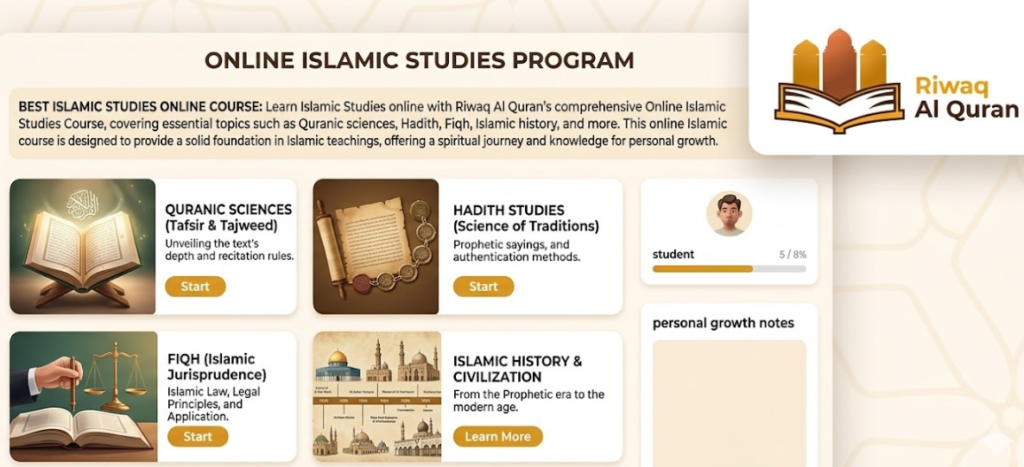
You can deepen your engagement with such passages through our Best Islamic Studies Online Course, which covers Quranic themes, Islamic creed, and practical application.
Begin your Islamic Studies with a FREE trial lesson
8. Renewing Commitment To Communal Responsibility
Beyond individual benefits, Surah Tawbah paints a portrait of what a believing community looks like — how its members support each other, hold each other accountable, and remain united in purpose:
وَٱلْمُؤْمِنُونَ وَٱلْمُؤْمِنَٰتُ بَعْضُهُمْ أَوْلِيَآءُ بَعْضٍ ۚ يَأْمُرُونَ بِٱلْمَعْرُوفِ وَيَنْهَوْنَ عَنِ ٱلْمُنكَرِ
Wal-muʾminūna wal-muʾminātu baʿḍuhum awliyāʾu baʿḍin yaʾmurūna bil-maʿrūfi wa yanhawna ʿani l-munkar
“The believing men and believing women are allies of one another. They enjoin what is right and forbid what is wrong.” (At-Tawbah 9:71)
This verse is a complete social code. The benefit of reflecting on it regularly is a renewed commitment to communal responsibility — reminding the believer that Islam is not merely personal. It is a shared, lived way of life.
Exploring this through structured Islamic studies helps non-Arabic speaking Muslims ground these values practically.
Why Students Love Learning with Riwaq Al Quran
Hear directly from our students about how Riwaq Al Quran Academy has transformed their connection with the Book of Allah. Their experiences reflect the dedication, care, and quality that guide every step of our teaching.
Start Benefiting from Surah Tawbah Through Guided Study at Riwaq Al Quran
The benefits of Surah Tawbah are fully realized only when recitation is paired with understanding. Reading it with correct Tajweed and genuine Tafsir knowledge transforms it from a text into a living guide.
At Riwaq Al Quran, our Azhari-certified tutors offer:
- One-on-one personalized sessions — tailored to your level and pace
- Online Quran Memorization Course — structured Hifz with proper Tajweed
- Online Quran Tafseer Course — deep engagement with Quranic meanings
- Best Islamic Studies Online Course — authentic Islamic knowledge grounded in scholarship
- 2 Free Trial Classes — no commitment required to get started
- 24/7 scheduling — built for busy Western Muslim lives
Book your two free trial classes today and begin studying Surah Tawbah — and the entire Quran — with the depth it deserves. Insha’Allah.
We offer courses in Online Quran & Tajweed Classes, Arabic Language, and Islamic Studies.
- Online Quran Memorization Course
- Tafseer Course
- Tajweed Classes
- Online Quran Classes for Kids.
- Ijazah Program.
- Arabic Language Classes.
- Islamic Studies Courses.
Enroll now for 2 Free Trial Classes and Begin Learning Islam and Quran Today
Frequently Asked Questions About Surah Tawbah Benefits
What are the main benefits of reciting Surah Tawbah?
The main benefits of reciting Surah Tawbah include deepening one’s awareness of sincere repentance, strengthening Tawakkul through verse 9:129, and reflecting on divine accountability and communal responsibility. These benefits are rooted in the surah’s own verses and are best realized through recitation paired with genuine Tafsir understanding, not mere repetition.
What are the specific benefits of Surah Tawbah’s last two ayat (9:128–129)?
No specific benefits of Surah Tawbah’s last two ayat (9:128–129) are documented in an authentic hadith. Verses 9:128–129 describe the Prophet’s ﷺ mercy toward believers and then affirm Allah as complete sufficiency through “Hasbiya Allah.” Reflecting on these verses builds Tawakkul, strengthens love for the Prophet ﷺ, and provides spiritual grounding during hardship. Their benefit is anchored in their authentic Quranic meaning, which scholars across generations have recognized as spiritually profound.
Is there a specific benefit of Surah Tawbah ayat 129 for marriage?
There is no sound, authenticated hadith establishing a specific recitation practice of verse 9:129 for marriage with a defined count or guaranteed outcome. The authentic practice is to recite it sincerely for its meaning — affirming Allah’s sufficiency and oneness — and to make du’a alongside it. Attaching specific unfounded prescriptions to Quranic verses can constitute Bid’a and should be avoided.
Why does Surah Tawbah not begin with Bismillah?
Surah Tawbah is the only surah without an opening Bismillah. Classical scholars, including those of the Tafsir tradition, explain this as reflecting the surah’s tone — it was revealed as a declaration of disavowal toward covenant-breakers. The Bismillah carries peace and mercy, while the surah’s opening carries divine accountability. This is a documented scholarly position, not speculation.
How can non-Arabic speakers benefit more deeply from Surah Tawbah?
Non-Arabic speakers benefit most from Surah Tawbah when they study it through authentic Tafsir alongside correct Tajweed recitation. Understanding the meanings of verses like 9:119, 9:128–129, and 9:71 in their proper context transforms recitation from a ritual into genuine guidance. Structured courses in Quran memorization and Tafsir make this accessible for every level.