| Key Takeaways |
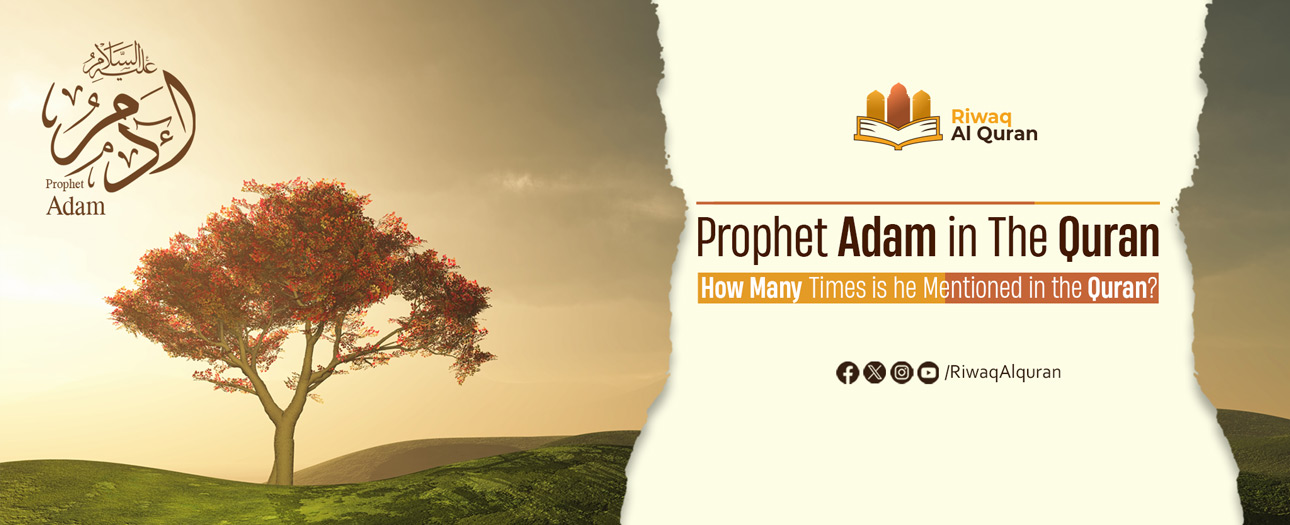
| Prophet Adam (AS) is mentioned by name exactly 25 times across 9 different Surahs in the Quran. |
| Allah created Adam directly from clay, breathed His spirit into him, and honored him above the angels by teaching him the names of all things. |
| The Quran narrates Adam’s story primarily in Surah Al-Baqarah, Surah Al-A’raf, Surah Al-Hijr, Surah Ta-Ha, and Surah Sad with complementary details. |
| Adam’s story in the Quran centers on three core events: his creation, Iblis’s refusal to prostrate, and his descent to earth after the forbidden tree. |
Prophet Adam (AS) holds a singular position in the Quran — he is the first human, the first prophet, and the first to experience both sin and divine forgiveness. His story unfolds across multiple Surahs, each adding a distinct layer of theological and moral depth that no other narrative in scripture quite parallels.
The Quran mentions Adam by name 25 times, distributed across 9 Surahs. These mentions are not redundant repetitions — each context illuminates a specific dimension of his creation, his trial, his repentance, and his honored status before Allah.
Knowing where and why his name appears will transform how you read and memorize those passages.
Table of Contents
How Many Times Is Prophet Adam Mentioned in the Quran?
Prophet Adam (AS) is mentioned by name 25 times in the Quran, spread across 9 Surahs. These Surahs are: Al-Baqarah, Al-Imran, Al-Ma’idah, Al-A’raf, Al-Isra, Al-Kahf, Maryam, Ta-Ha, and Yasin. Each mention serves a precise narrative or doctrinal function within its context.
The table below maps every Surah where Adam is mentioned by name, along with the relevant verse references:
| Surah | Chapter | Verse(s) | Core Theme |
| Al-Baqarah | 2 | 31, 33, 35, 37 | Creation, naming, Paradise, repentance |
| Al-Imran | 3 | 33, 59 | Adam’s election; comparison with Isa |
| Al-Maidah | 5 | 27 | Adam’s two sons — justice and envy |
| Al-A’raf | 7 | 11, 19, 26, 27, 31, 35, 172 | Full narrative + children of Adam |
| Al-Isra | 17 | 70 | Honor of Adam’s descendants |
| Al-Kahf | 18 | 50 | Iblis’s refusal and enmity |
| Maryam | 19 | 58 | Adam among the prophets |
| Ta-Ha | 20 | 115–117, 120–122 | Warning, lapse, repentance, guidance |
| Ya-Sin | 36 | 60 | Covenant with Adam’s children |
Students who want to understand the theological significance behind each cluster of these verses will find Riwaq Al Quran’s Online Quran Tafseer Course an essential guide — taught by Azhari-certified scholars who connect verse context, revelation occasion, and scholarly interpretation.
Enroll Now in Riwaq’s Tafseer Course with a FREE trial
1. Surah Al-Baqarah Presents Detailed Account of Adam’s Creation
Surah Al-Baqarah contains the densest cluster of Adam-related verses in the Quran, covering his creation, the command to the angels, Iblis’s refusal, the entry into Paradise, the forbidden tree, and the subsequent repentance. These verses collectively form the most complete Quranic narrative of Adam’s story.
Prophet Adam’s Mention in Surah Al-Baqarah Verse 31
This verse establishes Adam’s intellectual distinction — Allah taught him the names of all things, demonstrating his unique readiness for the role of Khalifah on earth.
وَعَلَّمَ آدَمَ الْأَسْمَآءَ كُلَّهَا ثُمَّ عَرَضَهُمْ عَلَى الْمَلَٰٓئِكَةِ
Wa ‘allama Ādama l-asmā’a kullahā thumma ‘araḍahum ‘alā l-malā’ikah
“And He taught Adam the names of all things; then He presented them to the angels.” (Al-Baqarah 2:31)
Prophet Adam’s Mention in Surah Al-Baqarah Verse 33
Adam demonstrates this knowledge before the angels, fulfilling Allah’s proof of his fitness for the role no other creation was given.
قَالَ يَٰٓادَمُ أَنۢبِئْهُم بِأَسْمَآئِهِمْ
Qāla yā Ādamu anbi’hum bi-asmā’ihim
“He said, ‘O Adam, inform them of their names.'” (Al-Baqarah 2:33)
Prophet Adam’s Mention in Surah Al-Baqarah Verse 35
Allah grants Adam and his wife residence in Paradise, with a single prohibition that would later test them both.
وَقُلْنَا يَٰٓادَمُ ٱسْكُنْ أَنتَ وَزَوْجُكَ ٱلْجَنَّةَ
Wa qulnā yā Ādamu uskun anta wa zawjuka l-jannah
“And We said, ‘O Adam, dwell you and your wife in Paradise.'” (Al-Baqarah 2:35)
Prophet Adam’s Mention in Surah Al-Baqarah Verse 37
After the lapse, Adam receives words of repentance directly from Allah — a profound act of divine mercy toward the first human.
فَتَلَقَّىٰٓ ءَادَمُ مِن رَّبِّهِۦ كَلِمَٰتٍ فَتَابَ عَلَيْهِ
Fatalaqqā Ādamu min rabbihi kalimātin fatāba ‘alayh
“Then Adam received from his Lord words, and He accepted his repentance.” (Al-Baqarah 2:37)


2. Surah Al-Imran Highlights Adam’s Unique Nature Compared to Prophet Isa
Surah Al-Imran contains one of the most theologically significant comparisons in the Quran, placing Adam and Isa side by side to address a theological argument about the nature of Jesus.
Prophet Adam’s Mention in Surah Al-Imran Verse 33
This verse honors Adam by placing him among the chosen — the greatest lineage of prophets selected by Allah Himself.
إِنَّ ٱللَّهَ ٱصْطَفَىٰٓ ءَادَمَ وَنُوحًا وَءَالَ إِبْرَٰهِيمَ وَءَالَ عِمْرَٰنَ عَلَى ٱلْعَٰلَمِينَ
Inna llāha ṣṭafā Ādama wa Nūḥan wa āla Ibrāhīma wa āla ‘Imrāna ‘alā l-‘ālamīn
“Indeed, Allah chose Adam and Noah and the family of Abraham and the family of Imran over the worlds.” (Al-Imran 3:33)
Prophet Adam’s Mention in Surah Al-Imran Verse 59
This verse presents the decisive Quranic argument: if Allah created Isa without a father, Adam was created without either parent — yet no one doubts Adam’s humanity.
إِنَّ مَثَلَ عِيسَىٰ عِندَ ٱللَّهِ كَمَثَلِ ءَادَمَ
Inna mathala ‘Īsā ‘inda llāhi ka-mathali Ādam
“Indeed, the example of Jesus to Allah is like that of Adam.” (Al-Imran 3:59)
In our sessions at Riwaq Al Quran, we find that students who engage with Adam’s story through structured Tafsir — rather than surface reading — develop a qualitatively different relationship with those Surahs during memorization. The verses become anchored in meaning, not just sound.
Connect with our Azhari tutors to learn and memorize the Quran

3. Surah Al-Maidah Presents a Lesson Through Adam’s Sons
Surah Al-Maidah references Adam in the context of his two sons — the first recorded act of injustice and murder among human beings.
Prophet Adam’s Mention in Surah Al-Maidah Verse 27
The story of Adam’s sons illustrates that taqwa (God-consciousness), not lineage, determines acceptance before Allah.
وَٱتْلُ عَلَيْهِمْ نَبَأَ ٱبْنَىْ ءَادَمَ بِٱلْحَقِّ
Wa-tlụ ‘alayhim naba-a ibnayi Ādama bil-ḥaqq
“And recite to them the story of Adam’s two sons, in truth.” (Al-Maidah 5:27)
4. Surah Al-A’raf Presents The Most Dramatic Retelling of Adam’s Trial
Surah Al-A’raf presents the most vivid and emotionally resonant retelling of Adam’s story, emphasizing Iblis’s arrogance, Adam’s vulnerability, and Allah’s mercy after repentance.
Verse 11
Allah addresses Adam’s creation and the command given to the angels — establishing the cosmic context of human dignity.
وَلَقَدْ خَلَقْنَٰكُمْ ثُمَّ صَوَّرْنَٰكُمْ ثُمَّ قُلْنَا لِلْمَلَٰٓئِكَةِ ٱسْجُدُوا۟ لِأَادَمَ
Wa laqad khalaqnākum thumma ṣawwarnākum thumma qulnā lil-malā’ikati usjudū li-Ādam
“And We have certainly created you, then given you form. Then We said to the angels, ‘Prostrate to Adam.'” (Al-A’raf 7:11)
Verse 19
Allah’s direct address to Adam in Paradise before the prohibition carries a tone of care and forewarning.
وَيَٰٓادَمُ ٱسْكُنْ أَنتَ وَزَوْجُكَ ٱلْجَنَّةَ
Wa yā Ādamu uskun anta wa zawjuka l-jannah
“And ‘O Adam, dwell, you and your wife, in Paradise.'” (Al-A’raf 7:19)
Experience Riwaq Al Quran Classes
Watch real moments from our live sessions at Riwaq Al Quran and see how we bring learning to life. These clips highlight our interactive, student-focused approach designed to keep learners engaged, motivated, and actively involved in every step of their educational journey.
Verse 26
After the lapse, Allah directly addresses the children of Adam — extending the lesson beyond one man to all of humanity.
يَٰبَنِىٓ ءَادَمَ قَدْ أَنزَلْنَا عَلَيْكُمْ لِبَاسًا
Yā banī Ādama qad anzalnā ‘alaykum libāsan
“O children of Adam, We have bestowed upon you clothing to conceal your private parts.” (Al-A’raf 7:26)
Verse 27
The children of Adam are directly warned not to let Shaytan deceive them as he deceived their father.
يَٰبَنِىٓ ءَادَمَ لَا يَفْتِنَنَّكُمُ ٱلشَّيْطَٰنُ
Yā banī Ādama lā yaftinannakumu sh-shayṭān
“O children of Adam, let not Satan tempt you as he removed your parents from Paradise.” (Al-A’raf 7:27)
Verse 31
A practical command about modesty flows naturally from Adam’s story — establishing worship etiquette for all his descendants.
يَٰبَنِىٓ ءَادَمَ خُذُوا۟ زِينَتَكُمْ عِندَ كُلِّ مَسْجِدٍ
Yā banī Ādama khudhū zīnatakum ‘inda kulli masjid
“O children of Adam, take your adornment at every masjid.” (Al-A’raf 7:31)
Verse 35
This verse formally closes the scene of Adam’s descent with a covenant — Allah will send guidance, and whoever follows it will have no fear.
يَٰبَنِىٓ ءَادَمَ إِمَّا يَأْتِيَنَّكُمْ رُسُلٌ مِّنكُمْ
Yā banī Ādama immā ya’tiyannakum rusulun minkum
“O children of Adam, if there come to you messengers from among you reciting to you My verses.” (Al-A’raf 7:35)
Verse 172
This verse records the primordial covenant — all of Adam’s descendants testified to Allah’s lordship before entering the world.
وَإِذْ أَخَذَ رَبُّكَ مِنۢ بَنِىٓ ءَادَمَ مِن ظُهُورِهِمْ ذُرِّيَّتَهُمْ
Wa idh akhadha rabbuka min banī Ādama min ẓuhūrihim dhurriyyatahum
“And when your Lord took from the children of Adam — from their loins — their descendants.” (Al-A’raf 7:172)
For structured memorization with built-in Tafsir context, explore Riwaq Al Quran’s Online Quran Memorization Course, where Azhari-certified Hafiz tutors pair narrative understanding with proven Quran memorization techniques in personalized one-on-one sessions.
Start your Hifz journey with a Free Trial
5. Surah Al-Isra and The Honor of Adam’s Children
Surah Al-Isra contains a single but extraordinary mention — Allah declares the dignity He has bestowed upon Adam’s descendants above much of creation.
Verse 70
This verse is among the most uplifting in the Quran for those reflecting on human worth and purpose.
وَلَقَدْ كَرَّمْنَا بَنِىٓ ءَادَمَ
Wa laqad karramnā banī Ādam
“And We have certainly honored the children of Adam.” (Al-Isra 17:70)
6. Surah Al-Kahf Presents a Warning About Iblis’s Enmity Toward Adam’s Children
Surah Al-Kahf references Adam in the context of Iblis’s ancient enmity — a reminder that Shaytan’s hostility toward humanity began with Adam himself.
Verse 50
This verse recounts Iblis’s refusal and establishes that Shaytan is an enemy to be consciously recognized and avoided.
وَإِذْ قُلْنَا لِلْمَلَٰٓئِكَةِ ٱسْجُدُوا۟ لِـَٔادَمَ فَسَجَدُوٓا۟ إِلَّآ إِبْلِيسَ كَانَ مِنَ ٱلْجِنِّ فَفَسَقَ عَنْ أَمْرِ رَبِّهِۦٓ ۗ أَفَتَتَّخِذُونَهُۥ وَذُرِّيَّتَهُۥٓ أَوْلِيَآءَ مِن دُونِى وَهُمْ لَكُمْ عَدُوُّۢ ۚ بِئْسَ لِلظَّٰلِمِينَ بَدَلًا
“And [mention] when We said to the angels, “Prostrate to Adam,” and they prostrated, except for Iblees. He was of the jinn and departed from the command of his Lord. Then will you take him and his descendants as allies other than Me while they are enemies to you? Wretched it is for the wrongdoers as an exchange.” (Al-Kahf 18:50)
7. The Mention of Prophet Adam’s Name in Surah Maryam
Surah Maryam honors Adam by naming him alongside the greatest chain of prophets, affirming his prophetic rank.
Verse 58
Adam heads the list of those upon whom Allah bestowed favor — a profound recognition of his station.
أُو۟لَٰٓئِكَ ٱلَّذِينَ أَنْعَمَ ٱللَّهُ عَلَيْهِم مِّنَ ٱلنَّبِيِّـۧنَ مِن ذُرِّيَّةِ ءَادَمَ
Ulā’ika lladhīna an’ama llāhu ‘alayhim mina n-nabiyyīna min dhurriyyati Ādam
“Those were the ones upon whom Allah bestowed favor from the prophets — of the descendants of Adam.” (Maryam 19:58)
8. Surah Ta-Ha Contains The Most Direct Command to Adam and the Deepest Expression of Repentance
Surah Ta-Ha contains some of the most intimate divine-to-Adam dialogue in the Quran — including the command not to approach the tree, the lapse, and Adam’s heartfelt repentance.
Verse 115
This verse identifies Adam’s forgetfulness as the human quality that led to the trial — not malicious defiance.
وَلَقَدْ عَهِدْنَآ إِلَىٰٓ ءَادَمَ مِن قَبْلُ فَنَسِىَ وَلَمْ نَجِدْ لَهُۥ عَزْمًا
Wa laqad ‘ahidnā ilā Ādama min qablu fa-nasiy
“And We had instructed Adam before, but he forgot; and We found not in him determination.” (Ta-Ha 20:115)
Verse 116
The command to the angels and Iblis’s arrogant refusal is retold here with sharp dramatic focus.
وَإِذْ قُلْنَا لِلْمَلَٰٓئِكَةِ ٱسْجُدُوا۟ لِأَادَمَ
Wa idh qulnā lil-malā’ikati usjudū li-Ādam
“And when We said to the angels, ‘Prostrate to Adam,’ and they prostrated, except Iblees.” (Ta-Ha 20:116)
Verse 117
Allah directly warns Adam about Iblis’s enmity — a warning framed with fatherly divine concern.
فَقُلْنَا يَٰٓادَمُ إِنَّ هَٰذَا عَدُوٌّ لَّكَ وَلِزَوْجِكَ
Fa-qulnā yā Ādamu inna hādhā ‘aduwwun laka wa li-zawjik
“And We said, ‘O Adam, indeed this is an enemy to you and to your wife.'” (Ta-Ha 20:117)
Verse 120
Iblis approaches Adam with a deceptive promise — the tree of immortality and an everlasting kingdom.
فَوَسْوَسَ إِلَيْهِ ٱلشَّيْطَٰنُ قَالَ يَٰٓادَمُ هَلْ أَدُلُّكَ عَلَىٰ شَجَرَةِ ٱلْخُلْدِ
Fa-waswasa ilayhi sh-shayṭānu qāla yā Ādamu hal adulluka ‘alā shajarat il-khuld
“But Satan whispered to him; he said, ‘O Adam, shall I direct you to the tree of eternity?'” (Ta-Ha 20:120)
Verse 121
Adam and his wife eat from the tree — and immediately experience shame and awareness of their error.
فَأَكَلَا مِنْهَا فَبَدَتْ لَهُمَا سَوْءَٰتُهُمَا
Fa-akalā minhā fa-badat lahumā saw’ātuhumā wa ṭafiqā yakhṣifāni ‘alayhimā min waraqi l-jannah wa ‘aṣā Ādamu rabbahu fa-ghawā
“And they ate of it, and their private parts became apparent to them, and they began to fasten together over themselves from the leaves of Paradise. And Adam disobeyed his Lord and erred.” (Ta-Ha 20:121)
Verse 122
Allah chooses Adam again after his repentance — one of the most hope-filled verses in the entire Quran.
ثُمَّ ٱجْتَبَٰهُ رَبُّهُۥ فَتَابَ عَلَيْهِ وَهَدَىٰ
Thumma jtabāhu rabbuhu fa-tāba ‘alayhi wa hadā
“Then his Lord chose him and turned to him in forgiveness and guided him.” (Ta-Ha 20:122)
At Riwaq Al Quran, students in our Best Islamic Studies Online Course study these narrative confrontations in their full theological context, understanding how the Quran’s presentation of prophetic stories serves as direct instruction for Muslim life.
Begin your Islamic Studies with a FREE trial lesson
9. The Mention of Prophet Adam’s Name in Surah Ya-Sin
Surah Ya-Sin contains a brief but profound reference to the children of Adam — framing Shaytan’s enmity as a covenant-level warning Allah issued at the very beginning.
Verse 60
This verse reminds all of Adam’s descendants of the ancient warning Allah delivered — do not follow Shaytan, for he is a declared enemy.
أَلَمْ أَعْهَدْ إِلَيْكُمْ يَٰبَنِىٓ ءَادَمَ أَن لَّا تَعْبُدُوا۟ ٱلشَّيْطَٰنَ
Alam a’had ilaykum yā banī Ādama allā ta’budū sh-shayṭān
“Did I not enjoin upon you, O children of Adam, that you not worship Satan?” (Ya-Sin 36:60)
What Lessons Does the Quran Teach Through the Story of Prophet Adam in the Quran?
The Quran’s recurring return to Adam’s story across nine Surahs signals that its lessons are not anecdotal — they are foundational principles Allah intends humanity to internalize. Scholars of Tafsir consistently identify several core teachings from these passages.
Lesson 1 — Human dignity is God-given, not earned
Allah honored Adam before he had performed a single act of worship. The prostration commanded of the angels was not a reward — it was a declaration of the inherent worth Allah placed in the human being.
Lesson 2 — Arrogance is the first and most dangerous sin
Iblis did not deny Allah’s existence. He made a comparative judgment — “I am better than him” — and that comparison was his destruction. The Quran returns to this moment repeatedly because pride remains the root of most spiritual decline.
Lesson 3 — Repentance is always available
Adam’s story does not end with the forbidden tree. It continues with repentance, divine mercy, and restoration of prophetic status. The Quran’s inclusion of Adam in the list of honored prophets in Surah Maryam (19:58) confirms that his transgression did not define his legacy — his return to Allah did.
Lesson 4 — Shaytan’s enmity is declared, not hidden
Allah explicitly warned Adam about Shaytan (Surah Ta-Ha 20:117). The Quran presents this warning as a model — believers are not deceived because they lack information; they are tested on whether they act upon it.
Why Students Love Learning with Riwaq Al Quran
Hear directly from our students about how Riwaq Al Quran Academy has transformed their connection with the Book of Allah. Their experiences reflect the dedication, care, and quality that guide every step of our teaching.
Start Learning the Quran and Its Stories with Riwaq Al Quran
Adam’s story — told 25 times across 9 Surahs — is not background information. It is active Quranic theology that shapes how every believer understands worship, repentance, and human purpose.
Riwaq Al Quran connects non-Arabic speaking Muslims worldwide with Azhari-certified tutors who bring these stories alive through structured, one-on-one instruction:
- Online Quran Memorization Course — Hifz with full understanding of the passages you’re memorizing
- Online Quran Tafseer Course — Verse-by-verse study with scholarly depth
- Best Islamic Studies Online Course — Theology, prophetic history, and Quranic context for every level
Scheduling is available 24/7. Two free trial classes included. 100% Money-Back Guarantee.
Enroll now for 2 Free Trial Classes
Conclusion
Prophet Adam’s presence across 25 verses and 9 Surahs is one of the Quran’s most deliberate structural choices. His story is not simply historical — it is the Quran’s opening statement on human nature: dignified by creation, tested by choice, and always within reach of divine mercy through repentance.
Every time his name appears — whether in a warning to his children, a theological argument about prophethood, or a direct narrative of his trial — the Quran is reinforcing the same foundational truths. The believer who reads these passages with awareness reads the Quran differently, Insha’Allah.
Frequently Asked Questions About Prophet Adam in the Quran
How many times is Prophet Adam mentioned in the Quran by name?
Prophet Adam (AS) is mentioned by name exactly 25 times in the Quran, across 9 Surahs: Al-Baqarah, Al-Imran, Al-Ma’idah, Al-A’raf, Al-Isra, Al-Kahf, Maryam, Ta-Ha, and Yasin. The highest concentration — five mentions — occurs in Surah Ta-Ha, within the account of his trial and repentance.
Which Surah contains the most detailed story of Prophet Adam?
Surah Al-A’raf (Chapter 7) and Surah Ta-Ha (Chapter 20) contain the most detailed accounts of Adam’s story. Al-A’raf covers his creation, the prostration command, Iblis’s refusal, the forbidden tree, and the address to his descendants. Ta-Ha focuses on the temptation narrative with particular depth and names Adam five times within a single passage.
Was Prophet Adam the first prophet in Islam?
Yes. According to mainstream Islamic scholarship, Adam (AS) is considered the first prophet and the first human being. Surah Al-Imran 3:33 explicitly names him among the chosen — the prophets Allah selected above all creation. Classical Islamic theology affirms his status as both Nabi (prophet) and the ancestor of all humanity and all subsequent prophets.
What does the Quran say about Adam’s repentance?
Surah Al-Baqarah 2:37 states that Adam received specific words from his Lord, supplicated with them, and Allah accepted his repentance. Classical Tafsir scholars note that Allah’s provision of the supplication itself reflects divine mercy — Adam was not left to find the path back alone. His repentance is upheld as the model for all human tawbah.