
Making dua for your parents is one of the most consistent commands woven through the Quran. Allah does not merely encourage honoring parents — He directly teaches the words to use, embedding supplication for them alongside the command to lower the wing of humility.
Whether your parents are alive, elderly, ill, or have passed away, the Quran provides exact words for each situation. These verses carry precise theological weight, and understanding their context changes how you recite them — moving the dua from routine recitation into conscious, present worship.
Table of Contents
1. The Main Dua for Parents in the Quran
The primary dua for parents in the Quran is found in Surah Al-Isra 17:24. Allah commands kindness toward parents and then immediately provides the supplication, making it inseparable from the commandment itself. This structural pairing — command followed by taught words — signals that the dua is not optional; it is the completion of the act of honor.
رَّبِّ ارْحَمْهُمَا كَمَا رَبَّيَانِى صَغِيرًا
Rabbi irhamhuma kama rabbayani saghira
“My Lord, have mercy upon them as they raised me when I was small.” (Al-Isra 17:24)
The phrase kama rabbayani saghira — “as they raised me when I was small” — presents your own childhood vulnerability as the argument for mercy.
You are reminding Allah, in effect: they invested in me when I could do nothing for myself; now I can do nothing for them except turn to You.
At Riwaq Al Quran, our Azhari-certified tutors teach this verse early in the Online Quran Memorization Course — not only for its spiritual significance but because its grammatical structure offers a model for understanding Quranic supplication patterns.
Start your Hifz journey with a Free Trial
2. Asking Forgiveness for Parents
Surah Ibrahim contains a broader supplication that explicitly covers both the reciter and their parents — making it the most complete dua for parents from the Quran for those seeking forgiveness on behalf of all three. Prophet Ibrahim ﷺ taught this prayer, and its breadth makes it the preferred dua when praying for deceased parents alongside the living.
رَبَّنَا اغْفِرْ لِى وَلِوَٰلِدَىَّ وَلِلْمُؤْمِنِينَ يَوْمَ يَقُومُ الْحِسَابُ
Rabbana-ghfir li wa liwalidayya wa lil-mu’minina yawma yaqumul hisab
“Our Lord, forgive me and my parents and the believers the Day the account is established.” (Ibrahim 14:41)
Three dimensions make this verse particularly powerful:
- It asks forgiveness for yourself first, reflecting the Quranic etiquette of beginning supplication with one’s own soul
- It covers both parents together — walidayya — in a single grammatical stroke
- It extends mercy to all believers, reflecting the expansiveness of prophetic dua
Understanding the Tafsir behind this verse deepens its recitation significantly. If you want to explore the scholarly commentary on duas like this one, our Online Quran Tafseer Course covers parental verses within their full exegetical context.
Enroll Now in Riwaq’s Tafseer Course with a FREE trial

3. The Dua for Deceased Parents in the Quran
The dua for deceased parents in the Quran most consistently cited by scholars is Surah Ibrahim 14:41, referenced above, since it asks for forgiveness on the Day of Judgment — an inherently post-death supplication. Surah Al-Isra 17:24 is also recited for deceased parents; the word irhamhuma (have mercy upon them both) applies regardless of whether they are living.
Scholars of Tafsir note that Prophet Nuh ﷺ also made dua for his parents in Surah Nuh 71:28:
رَّبِّ اغْفِرْ لِى وَلِوَٰلِدَىَّ وَلِمَن دَخَلَ بَيْتِىَ مُؤْمِنًا وَلِلْمُؤْمِنِينَ وَالْمُؤْمِنَٰتِ
Rabbi-ghfir li wa liwalidayya wa liman dakhala baytiya mu’minan wa lil-mu’minina wal-mu’minat
“My Lord, forgive me and my parents and whoever enters my house a believer and the believing men and believing women.” (Nuh 71:28)
This verse is recited specifically as dua for deceased parents because it asks for forgiveness — a mercy that extends beyond the grave.
The Prophet ﷺ confirmed that a child’s supplication for their deceased parent is among the deeds that continue to reach them, as narrated in Sahih Muslim 1631:
“When a person dies, his deeds come to an end except for three: ongoing charity, knowledge that is benefited from, and a righteous child who prays for him.”
| Dua | Surah & Verse | Primary Use |
| Rabbi irhamhuma kama rabbayani saghira | Al-Isra 17:24 | General dua — living and deceased parents |
| Rabbana-ghfir li wa liwalidayya… | Ibrahim 14:41 | Forgiveness — especially for deceased parents |
| Rabbi-ghfir li wa liwalidayya… | Nuh 71:28 | Expansive forgiveness dua for deceased |
| Rabbana-ghfir lana wa li-ikhwanina… | Al-Hashr 59:10 | Communal forgiveness including predecessors |
Experience Riwaq Al Quran Classes
Watch real moments from our live sessions at Riwaq Al Quran and see how we bring learning to life. These clips highlight our interactive, student-focused approach designed to keep learners engaged, motivated, and actively involved in every step of their educational journey.
4. The Dua for Parents’ Health and Long Life in the Quran
There is no single verse in the Quran phrased explicitly as a dua for parents’ health and long life. However, Islamic scholars direct Muslims to use Surah Al-Isra 17:24 — asking for rahmah (mercy) — as an encompassing supplication that includes health, well-being, and ease, since Allah’s mercy covers all of these dimensions.
Reciting Surah Al-Fatiha with the sincere intention of gifting its reward to parents is also an established practice in Islamic scholarship. The broader principle comes from Surah Al-Isra 17:23:
۞ وَقَضَىٰ رَبُّكَ أَلَّا تَعْبُدُوٓا۟ إِلَّآ إِيَّاهُ وَبِٱلْوَٰلِدَيْنِ إِحْسَٰنًا
Wa qada rabbuka alla ta’budu illa iyyahu wa bil-walidayni ihsana
“And your Lord has decreed that you not worship except Him, and to parents, good treatment.” (Al-Isra 17:23)
This verse places parental kindness (ihsan) directly adjacent to the command of Tawhid — signaling its gravity. Dua for their health is part of that ihsan. In our experience teaching at Riwaq Al Quran, students who memorize the full passage from 17:23 to 17:24 as a connected unit understand the dua more deeply than those who learn 17:24 in isolation.
Connect with our Azhari tutors to learn Quran with Tafseer

How Do You Recite Dua for Parents in Quran in Arabic Correctly?
Reciting the dua for parents in Quran in Arabic with Tajweed is not merely a pronunciation preference — it is the standard of recitation that honors the speech of Allah. Several specific Tajweed points arise directly within these duas.
Students in our sessions at Riwaq Al Quran consistently mispronounce Rabbi with a flat Ra — producing something closer to the English “R” rather than the proper Arabic makhraj from the tip of the tongue. One correction session focused on the Ra in Rabbi irhamhuma can shift the entire quality of the dua’s recitation.
To build this level of precision, the Best Online Tajweed Course at Riwaq Al Quran provides structured, one-on-one correction with Azhari-certified instructors trained specifically to identify the recitation errors non-Arabic speakers make most consistently.
For students wanting to understand why these rules apply — beyond memorizing the mechanics — the Tafsir meaning article on our blog provides foundational context on how Quranic Arabic functions at the scholarly level.
Read Also: Forgiveness Dua in Quran
Why Students Love Learning with Riwaq Al Quran
Hear directly from our students about how Riwaq Al Quran Academy has transformed their connection with the Book of Allah. Their experiences reflect the dedication, care, and quality that guide every step of our teaching.
Why Does the Quran Pair Parental Honor Directly with Tawhid?
The structural placement of parental duas in the Quran is not incidental — it reflects a theological principle. In Surah Al-Isra, the command to honor parents appears in the same sentence as the command not to associate partners with Allah.
In Surah Luqman, Luqman’s advice to his son moves from Tawhid directly into parental rights.
This pairing teaches that gratitude to parents is the human-level expression of gratitude to Allah, since parents are the immediate cause of the child’s existence. The Quran repeatedly presents ihsan to parents as second only to ibadah of Allah — not as an independent moral value, but as an extension of it.
Understanding this theological structure changes how a Muslim recites the dua. You are not simply asking for your parents’ welfare.
You are fulfilling a divine command, expressing gratitude, and acknowledging Allah’s design — all within a single supplication of seven Arabic words.
For students wanting to study the full scholarly discussion on these verses, our Online Islamic Studies Course covers the Quranic treatment of family rights with depth and nuance, drawing directly from classical sources.
Read Also: Dua for Depression and Anxiety in Quran


Begin your Islamic Studies with a FREE trial lesson
Read Also: Quranic Duas The Most Powerful Dua in the Quran
Start Learning and Understanding Quranic Duas with Riwaq Al Quran
These duas are among the most recited words in a Muslim’s life — they deserve to be understood deeply and recited correctly. At Riwaq Al Quran, our Azhari-certified tutors help you:
- Memorize parental duas with proper Tajweed and pronunciation
- Understand their Tafsir and theological context
- Build a sustainable Quran practice that includes dua, recitation, and reflection
Courses to explore:
- Online Quran Memorization Course — structured Hifz with expert guidance
- Online Quran Tafseer Course — deep understanding of what you recite
- Best Islamic Studies Online Course — Quranic ethics and family rights in context
2 free trial classes. 100% money-back guarantee. 24/7 scheduling. Book your first session today — Insha’Allah, every dua you make for your parents will be better for it.
We offer courses in Online Quran & Tajweed Classes, Arabic Language, and Islamic Studies.
- Online Quran Memorization Course
- Tafseer Course
- Tajweed Classes
- Online Quran Classes for Kids.
- Ijazah Program.
- Arabic Language Classes.
- Islamic Studies Courses.
Enroll now for 2 Free Trial Classes and Begin Learning Islam and Quran Today

Read Also: Dua for Spouse in Quran
Frequently Asked Questions About Dua for Parents in the Quran
Is There a Specific Dua for Deceased Parents in the Quran?
Yes. Surah Ibrahim 14:41 —
“Our Lord, forgive me and my parents and the believers the Day the account is established”
— is the primary Quranic dua for deceased parents. Surah Nuh 71:28 serves the same purpose. Both ask for forgiveness on the Day of Judgment, making them directly applicable after a parent’s passing.
Can You Recite Dua for Parents in Arabic If You Don’t Understand It?
Yes, reciting Quranic duas in Arabic is valid even without full comprehension, and the reward is established. However, learning the meaning deepens sincerity and presence in dua. Understanding kama rabbayani saghira — “as they raised me when I was small” — transforms the dua from words into conscious acknowledgment, which scholars describe as the spirit of supplication.
Which Surah Contains the Most Important Dua for Parents?
Surah Al-Isra (Chapter 17), verse 24 contains the most widely recited dua for parents in the Quran. It was revealed as a direct Quranic command paired with the supplication itself, making it the foundational verse. Surah Ibrahim 14:41 is the most complete dua, covering both living and deceased parents within a forgiveness context.
How Often Should You Recite Dua for Your Parents?
Islamic scholars recommend reciting dua for parents in every salah, particularly in sujud (prostration) and after the tashahhud — moments when dua is most accepted. There is no fixed numerical requirement. The consistent practice, even brief, carries more weight than occasional lengthy supplication, as scholars note from the general principle of steadiness in worship.
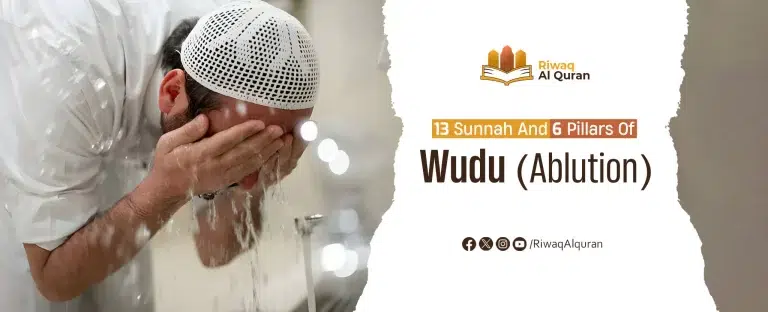
Does Reciting Dua for Parents Require Wudu?
Reciting dua — including Quranic supplications for parents — does not require wudu as a condition of validity. Wudu is required for holding the Mushaf and for salah. A Muslim may recite Rabbi irhamhuma kama rabbayani saghira at any time, in any state of ritual purity. The dua remains fully valid and accepted, Insha’Allah, regardless.