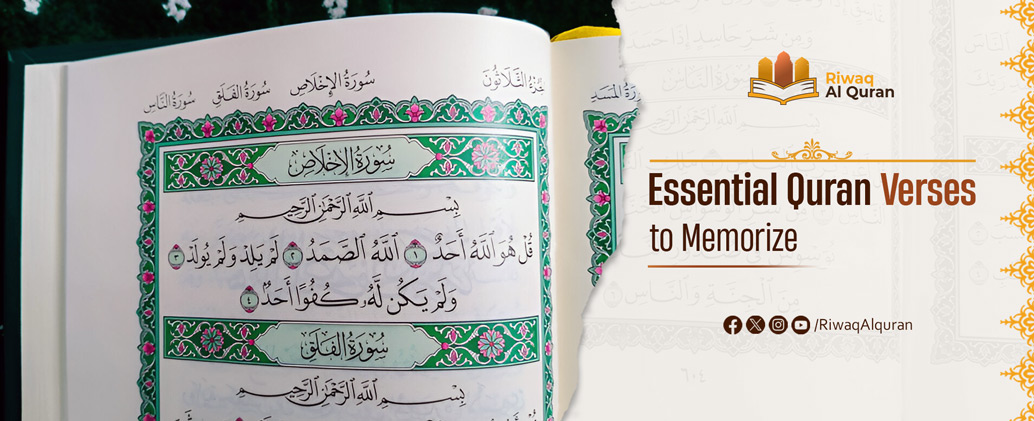
This guide collects easy Quran verses to memorize from multiple surahs, presents their complete Arabic text, and pairs each group with specific memorization techniques drawn from years of teaching non-Arabic speakers at Riwaq Al Quran.
Whether you are starting Hifz or simply want richer recitation in your prayers, these selections offer real depth.
Table of Contents
1. The Short Surahs of Juz’ Amma Contain the Most Practical Verses to Memorize
Juz’ Amma — the 30th and final portion of the Quran — contains the shortest surahs in the entire Book.
These chapters are the most commonly memorized by non-Arabic speakers worldwide, and for sound reasons: they are brief, rhythmically strong, and frequently recited in prayer alongside Al-Fatiha.
The following surahs form the foundational memorization list recommended by tutors at Riwaq Al Quran for students at the beginner and intermediate levels.
Recommended Surahs from Juz’ Amma to Bigun Memorization With:
| Surah | Verses | Theme |
| Al-Ikhlas (112) | 4 | Pure monotheism — equals one-third of the Quran in reward |
| Al-Falaq (113) | 5 | Seeking refuge from external harm |
| An-Nas (114) | 6 | Seeking refuge from internal and whispered harm |
| Al-Kawthar (108) | 3 | Among the shortest surahs; gratitude and prayer |
| Al-‘Asr (103) | 3 | Time, faith, and righteous action |
| Al-Fil (105) | 5 | Historical account of the Year of the Elephant |
| Al-Maun (107) | 7 | Social responsibility in Islam |
| Al-Kafiroon (109) | 6 | Declaration of monotheism; Sunnah to recite in Fajr |
Memorizing Al-Ikhlas specifically carries a well-established reward. The Prophet ﷺ confirmed that it equals one-third of the Quran in reward. (Sahih Al-Bukhari 5013) This makes it among the highest-return verses a Muslim can commit to memory relative to its length.
If you want structured guidance through Juz’ Amma and beyond, Riwaq Al Quran’s Online Quran Memorization Course pairs you with an Azhari-certified Hafiz for one-on-one sessions tailored to your level, schedule, and goals.
Start your Hifz journey with a Free Trial
2. Ayat Al-Kursi Is the Single Most Important Verse for Every Muslim to Memorize
Ayat Al-Kursi — Al-Baqarah 2:255 — is the greatest verse in the Quran according to the Prophet ﷺ himself. It affirms Allah’s absolute sovereignty, eternal wakefulness, and encompassing knowledge. Despite its length, it has a rhythmic structure that makes it highly memorizable with the right approach.
اللَّهُ لَا إِلَٰهَ إِلَّا هُوَ الْحَيُّ الْقَيُّومُ ۚ لَا تَأْخُذُهُ سِنَةٌ وَلَا نَوْمٌ ۚ لَهُ مَا فِي السَّمَاوَاتِ وَمَا فِي الْأَرْضِ ۗ مَن ذَا الَّذِي يَشْفَعُ عِندَهُ إِلَّا بِإِذْنِهِ ۚ يَعْلَمُ مَا بَيْنَ أَيْدِيهِمْ وَمَا خَلْفَهُمْ ۖ وَلَا يُحِيطُونَ بِشَيْءٍ مِّنْ عِلْمِهِ إِلَّا بِمَا شَاءَ ۚ وَسِعَ كُرْسِيُّهُ السَّمَاوَاتِ وَالْأَرْضَ ۖ وَلَا يَئُودُهُ حِفْظُهُمَا ۚ وَهُوَ الْعَلِيُّ الْعَظِيمُ
Allahu la ilaha illa huwa alhayyu alqayyoomu la takhuthuhu sinatun wala nawmun lahu ma fee alssamawati wama fee alardi man tha allathee yashfaAAu AAindahu illa biithnihi yaAAlamu ma bayna aydeehim wama khalfahum wala yuheetoona bishayin min AAilmihi illa bima shaa wasiAAa kursiyyuhu alssamawati waalarda wala yaooduhu hifthuhuma wahuwa alAAaliyyu alAAatheemu (255)
“Allah — there is no deity except Him, the Ever-Living, the Sustainer of existence. Neither drowsiness overtakes Him nor sleep. To Him belongs whatever is in the heavens and whatever is on the earth. Who is it that can intercede with Him except by His permission? He knows what is before them and what will be after them, and they encompass not a thing of His knowledge except for what He wills. His Kursi extends over the heavens and the earth, and their preservation tires Him not. And He is the Most High, the Most Great.” (Al-Baqarah 2:255)
The Prophet ﷺ said: “Whoever recites Ayat Al-Kursi after every obligatory prayer, nothing prevents him from entering Paradise except death.” (Al-Nasa’i)
How to Memorize Ayat Al-Kursi Effectively?
Break it into five natural segments — each ending at a waqf (pause) marker. Memorize one segment per day.
Link each segment to its meaning: the first affirms who Allah is, the second His attributes, the third His ownership. Meaning-anchored memorization is far more durable than mechanical repetition alone.
At Riwaq Al Quran, our Azhari tutors consistently observe that students who understand what each phrase means retain Ayat Al-Kursi in under one week — compared to two to three weeks for those who memorize it phonetically without comprehension.
Connect with our Azhari tutors to learn and memorize the Quran

3. The Last Two Verses of Surah Al-Baqarah Are Highly Memorizable
The final two verses of Surah Al-Baqarah — 2:285–286 — are among the most significant short passages in the Quran outside Juz’ Amma. The Prophet ﷺ affirmed that reciting them at night is sufficient protection for the one who reads them. Their structure is parallel and rhythmic, which greatly aids memorization.
آمَنَ الرَّسُولُ بِمَا أُنزِلَ إِلَيْهِ مِن رَّبِّهِ وَالْمُؤْمِنُونَ ۚ كُلٌّ آمَنَ بِاللَّهِ وَمَلَائِكَتِهِ وَكُتُبِهِ وَرُسُلِهِ لَا نُفَرِّقُ بَيْنَ أَحَدٍ مِّن رُّسُلِهِ ۚ وَقَالُوا سَمِعْنَا وَأَطَعْنَا ۖ غُفْرَانَكَ رَبَّنَا وَإِلَيْكَ الْمَصِيرُ
Amana alrrasoolu bima onzila ilayhi min rabbihi waalmuminoona kullun amana biAllahi wamalaikatihi wakutubihi warusulihi la nufarriqu bayna ahadin min rusulihi waqaloo samiAAna waataAAna ghufranaka rabbana wailayka almaseeru
“The Messenger has believed in what was revealed to him from his Lord, and [so have] the believers. All of them have believed in Allah and His angels and His books and His messengers, [saying], ‘We make no distinction between any of His messengers.’ And they say, ‘We hear and we obey. [We seek] Your forgiveness, our Lord, and to You is the [final] destination.'”
لَا يُكَلِّفُ اللَّهُ نَفْسًا إِلَّا وُسْعَهَا ۚ لَهَا مَا كَسَبَتْ وَعَلَيْهَا مَا اكْتَسَبَتْ ۗ رَبَّنَا لَا تُؤَاخِذْنَا إِن نَّسِينَا أَوْ أَخْطَأْنَا ۚ رَبَّنَا وَلَا تَحْمِلْ عَلَيْنَا إِصْرًا كَمَا حَمَلْتَهُ عَلَى الَّذِينَ مِن قَبْلِنَا ۚ رَبَّنَا وَلَا تُحَمِّلْنَا مَا لَا طَاقَةَ لَنَا بِهِ ۖ وَاعْفُ عَنَّا وَاغْفِرْ لَنَا وَارْحَمْنَا ۚ أَنتَ مَوْلَانَا فَانصُرْنَا عَلَى الْقَوْمِ الْكَافِرِينَ
La yukallifu Allahu nafsan illa wusAAaha laha ma kasabat waAAalayha ma iktasabat rabbana la tuakhithna in naseena aw akhtana rabbana wala tahmil AAalayna isran kama hamaltahu AAala allatheena min qablina rabbana wala tuhammilna ma la taqata lana bihi waoAAfu AAanna waighfir lana wairhamna anta mawlana faonsurna AAala alqawmi alkafireena
“Allah does not burden a soul beyond that it can bear. It will have [the consequence of] what [good] it has gained, and it will bear [the consequence of] what [evil] it has earned. Our Lord, do not impose blame upon us if we have forgotten or erred. Our Lord, and lay not upon us a burden like that which You laid upon those before us. Our Lord, and burden us not with that which we have no ability to bear. And pardon us; and forgive us; and have mercy upon us. You are our protector, so give us victory over the disbelieving people.” (Al-Baqarah 2:285–286)
Memorization Tip: Use the Du’a Structure of Verse 286
Verse 286 is built as a series of du’a (supplication) phrases beginning with رَبَّنَا (Rabbana — Our Lord). Each Rabbana marks a natural pause. Memorize one Rabbana-phrase per session, then chain them. This technique converts a long verse into five manageable segments and reinforces the supplicatory meaning simultaneously.
Experience Riwaq Al Quran Classes
Watch real moments from our live sessions at Riwaq Al Quran and see how we bring learning to life. These clips highlight our interactive, student-focused approach designed to keep learners engaged, motivated, and actively involved in every step of their educational journey.
4. Surah Al-Imran 3:18 and 3:26–27 Are Short Powerfully Theological Verses Worth Memorizing
These verses from Surah Al-Imran are shorter, highly theological, and frequently recited by scholars. They are well-suited for students who have completed Juz’ Amma and want to expand beyond it. Enrolling in a structured Online Quran Memorization course with an Azhari-certified tutor accelerates progress on verses like these, where accurate pronunciation of every word is essential.
شَهِدَ اللَّهُ أَنَّهُ لَا إِلَٰهَ إِلَّا هُوَ وَالْمَلَائِكَةُ وَأُولُو الْعِلْمِ قَائِمًا بِالْقِسْطِ ۚ لَا إِلَٰهَ إِلَّا هُوَ الْعَزِيزُ الْحَكِيمُ
Shahida Allahu annahu la ilaha illa huwa waalmalaikatu waoloo alAAilmi qaiman bialqisti la ilaha illa huwa alAAazeezu alhakeemu
“Allah witnesses that there is no deity except Him, and [so do] the angels and those of knowledge — [that He is] maintaining [creation] in justice. There is no deity except Him, the Exalted in Might, the Wise.” (Al-Imran 3:18)
قُلِ اللَّهُمَّ مَالِكَ الْمُلْكِ تُؤْتِي الْمُلْكَ مَن تَشَاءُ وَتَنزِعُ الْمُلْكَ مِمَّن تَشَاءُ وَتُعِزُّ مَن تَشَاءُ وَتُذِلُّ مَن تَشَاءُ ۖ بِيَدِكَ الْخَيْرُ ۖ إِنَّكَ عَلَىٰ كُلِّ شَيْءٍ قَدِيرٌ ۞ تُولِجُ اللَّيْلَ فِي النَّهَارِ وَتُولِجُ النَّهَارَ فِي اللَّيْلِ ۖ وَتُخْرِجُ الْحَيَّ مِنَ الْمَيِّتِ وَتُخْرِجُ الْمَيِّتَ مِنَ الْحَيِّ ۖ وَتَرْزُقُ مَن تَشَاءُ بِغَيْرِ حِسَابٍ
Quli allahumma malika almulki tutee almulka man tashao watanziAAu almulka mimman tashao watuAAizzu man tashao watuthillu man tashao biyadika alkhayru innaka AAala kulli shayin qadeerun
“Say, ‘O Allah, Owner of Sovereignty, You give sovereignty to whom You will and You take sovereignty away from whom You will. You honor whom You will and You humble whom You will. In Your hand is [all] good. Indeed, You are over all things competent. You cause the night to enter the day, and You cause the day to enter the night; and You bring the living out of the dead, and You bring the dead out of the living. And You give provision to whom You will without account.'” (Al-Imran 3:26–27)
Memorization Tip: Repetition of Structure Aids Retention
In 3:26, notice the repeated grammatical pattern: تُؤْتِي… وَتَنزِعُ… وَتُعِزُّ… وَتُذِلُّ — each verb follows the same conjugation form (second-person singular verb with تـ prefix). When you recognize this pattern, memorizing the sequence becomes significantly easier.
Our tutors call this “pattern-locking” — identifying the grammatical rhythm before drilling the words.
5. Surah Al-Hashr 59:22–24 Contain the Beautiful Names of Allah
These final three verses of Surah Al-Hashr are among the most celebrated passages for memorization outside Juz’ Amma. They contain a dense cluster of Allah’s names and attributes. The Prophet ﷺ encouraged their recitation specifically, and their theological richness makes them deeply meaningful to carry in memory.
هُوَ اللَّهُ الَّذِي لَا إِلَٰهَ إِلَّا هُوَ ۖ عَالِمُ الْغَيْبِ وَالشَّهَادَةِ ۖ هُوَ الرَّحْمَٰنُ الرَّحِيمُ ۞ هُوَ اللَّهُ الَّذِي لَا إِلَٰهَ إِلَّا هُوَ الْمَلِكُ الْقُدُّوسُ السَّلَامُ الْمُؤْمِنُ الْمُهَيْمِنُ الْعَزِيزُ الْجَبَّارُ الْمُتَكَبِّرُ ۚ سُبْحَانَ اللَّهِ عَمَّا يُشْرِكُونَ ۞ هُوَ اللَّهُ الْخَالِقُ الْبَارِئُ الْمُصَوِّرُ ۖ لَهُ الْأَسْمَاءُ الْحُسْنَىٰ ۚ يُسَبِّحُ لَهُ مَا فِي السَّمَاوَاتِ وَالْأَرْضِ ۖ وَهُوَ الْعَزِيزُ الْحَكِيمُ
Huwa Allahu allathee la ilaha illa huwa AAalimu alghaybi waalshshahadati huwa alrrahmanu alrraheemu (22) Huwa Allahu allathee la ilaha illa huwa almaliku alquddoosu alssalamu almuminu almuhayminu alAAazeezu aljabbaru almutakabbiru subhana Allahi AAamma yushrikoona (23) Huwa Allahu alkhaliqu albario almusawwiru lahu alasmao alhusna yusabbihu lahu ma fee alssamawati waalardi wahuwa alAAazeezu alhakeemu (24)
“He is Allah, other than whom there is no deity, Knower of the unseen and the witnessed. He is the Entirely Merciful, the Especially Merciful. He is Allah, other than whom there is no deity, the Sovereign, the Pure, the Perfection, the Bestower of Faith, the Overseer, the Exalted in Might, the Compeller, the Superior. Exalted is Allah above whatever they associate with Him. He is Allah, the Creator, the Inventor, the Fashioner; to Him belong the best names. Whatever is in the heavens and earth is exalting Him. And He is the Exalted in Might, the Wise.” (Al-Hashr 59:22–24)
Memorization Tip: Cluster the Divine Names Visually
Write the names in verse 23 in a single column. Count them: there are eight. Memorize them as a named list before embedding them in the full verse. Once you know the sequence of names — الْمَلِكُ، الْقُدُّوسُ، السَّلَامُ… — the verse itself flows naturally. This is the “list-first” technique our tutors use for any verse containing enumerated attributes.
To apply correct Tajweed to these verses — particularly the heavy letters like الْجَبَّارُ and الْمُتَكَبِّرُ — reviewing core Tajweed rules before memorization prevents deeply embedded mispronunciations.
6. Surah Al-Mulk 67:1–4 Are an Accessible Opening That Protects the Believer in the Grave
Surah Al-Mulk is 30 verses — memorizable in segments across several weeks. Its opening four verses establish the theological foundation of the entire surah and are ideal for students who want to begin memorizing longer surahs.
The rhythm is consistent, and the vocabulary is among the most accessible in the Quran for non-Arabic speakers.
تَبَارَكَ الَّذِي بِيَدِهِ الْمُلْكُ وَهُوَ عَلَىٰ كُلِّ شَيْءٍ قَدِيرٌ ۞ الَّذِي خَلَقَ الْمَوْتَ وَالْحَيَاةَ لِيَبْلُوَكُمْ أَيُّكُمْ أَحْسَنُ عَمَلًا ۚ وَهُوَ الْعَزِيزُ الْغَفُورُ ۞ الَّذِي خَلَقَ سَبْعَ سَمَاوَاتٍ طِبَاقًا ۖ مَّا تَرَىٰ فِي خَلْقِ الرَّحْمَٰنِ مِن تَفَاوُتٍ ۖ فَارْجِعِ الْبَصَرَ هَلْ تَرَىٰ مِن فُطُورٍ ۞ ثُمَّ ارْجِعِ الْبَصَرَ كَرَّتَيْنِ يَنقَلِبْ إِلَيْكَ الْبَصَرُ خَاسِئًا وَهُوَ حَسِيرٌ
Tabaraka allathee biyadihi almulku wahuwa AAala kulli shayin qadeerun (1) Allathee khalaqa almawta waalhayata liyabluwakum ayyukum ahsanu AAamalan wahuwa alAAazeezu alghafooru (2) Allathee khalaqa sabAAa samawatin tibaqan ma tara fee khalqi alrrahmani min tafawutin fairjiAAi albasara hal tara min futoorin (3) Thumma irjiAAi albasara karratayni yanqalib ilayka albasaru khasian wahuwa haseerun (4)
“Blessed is He in whose hand is dominion, and He is over all things competent — [He] who created death and life to test you [as to] which of you is best in deed — and He is the Exalted in Might, the Forgiving — [And] who created seven heavens in layers. You do not see in the creation of the Most Merciful any inconsistency. So return [your] vision [to the sky]; do you see any breaks? Then return [your] vision twice again. [Your] vision will return to you humbled while it is fatigued.” (Al-Mulk 67:1–4)
These four verses can be memorized in three to five days with consistent 15-minute daily sessions.
Pair audio listening with a qualified reciter’s recording — particularly for the final verse, where the letters الْبَصَرُ and خَاسِئًا require accurate makhraj (articulation point) placement.
Are Short Verses Enough for a Muslim and Enough for Prayer?
Short Quranic verses are fully sufficient for valid prayer. Any amount of Quran that a Muslim has memorized — even a single short verse recited correctly — fulfills the Quranic recitation obligation in salah, according to the vast majority of Islamic scholars. The requirement in prayer is sincere, correct recitation — not a minimum verse count.
The following table clarifies common questions students ask about verse requirements in prayer:
| Question | Scholarly Position |
| Is one verse sufficient after Al-Fatiha? | Yes — one verse is sufficient according to the Hanafi school and a valid position in other schools. |
| Does the verse need to be from Juz’ Amma? | No — any verse from anywhere in the Quran is valid. |
| What if I mispronounce due to being a beginner? | Scholars affirm the prayer is valid; the person is rewarded double for striving (per Sahih Muslim 798). |
| Is memorizing more rewarded? | Yes — more memorization brings greater spiritual rank, but minimum is met with any correct recitation. |
For students concerned about their recitation quality in prayer, working through our Best Online Tajweed Course provides the foundational correction needed to recite with confidence.
Enroll Now in the Best Online Tajweed Classes
How to Memorize Quran Verses Effectively as a Non-Arabic Speaker
Effective memorization for non-Arabic speakers follows a consistent sequence: audio first, then articulation, then writing, then review. Skipping the audio stage — which many students do — is the leading cause of slow retention and embedded mispronunciation.
Use this proven sequence for any of the verses above:
- Listen 20 times to a trusted reciter (Sheikh Husary or Mishary Al-Afasy) before attempting to repeat.
- Repeat aloud phrase by phrase — not word by word — because Arabic meaning units are phrases, not isolated words.
- Write the verse from memory without looking, then compare to the original.
- Revise the verse daily for 7 days after completing it before moving to a new selection.
For a structured approach to managing this process across weeks and months, our Quran memorization schedule guide provides practical daily templates. Additionally, reviewing foundational Quran memorization techniques before beginning any new selection sets the right cognitive framework.
Understanding what you are reciting also accelerates retention. The Tafsir meaning of each verse, even at a basic level, creates semantic anchors that prevent forgetting — especially during longer passages like Ayat Al-Kursi and the final verses of Al-Hashr.
Read Also: The First and Last Surahs in the Quran
Why Students Love Learning with Riwaq Al Quran
Hear directly from our students about how Riwaq Al Quran Academy has transformed their connection with the Book of Allah. Their experiences reflect the dedication, care, and quality that guide every step of our teaching.
Read Also: What Is the Shortest Surah in the Quran?
Start Your Quran Memorization with Riwaq Al Quran
Memorizing these verses with correct Tajweed and lasting retention requires more than willpower — it requires a structured method and qualified guidance.
At Riwaq Al Quran, our Azhari-certified Hafiz tutors have helped thousands of non-Arabic speaking Muslims worldwide build a genuine, confident relationship with the Quran.
Our Online Quran Memorization course offers:
- One-on-one sessions with Al-Azhar University-trained Hafiz tutors
- 24/7 scheduling — morning, evening, or weekend, wherever you are
- Affordable plans starting from $32/month
- 2 free trial classes — no commitment required
- 100% money-back guarantee
Register for your free trial today and recite with the knowledge, accuracy, and confidence these verses deserve.
We offer courses in Online Quran & Tajweed Classes, Arabic Language, and Islamic Studies.
- Online Quran Memorization Course
- Recitation Course
- Tafseer Course
- Tajweed Classes
- Online Quran Classes for Kids.
- Ijazah Program.
- Qira’at Course.
- Arabic Language Classes.
- Islamic Studies Courses.
Enroll now for 2 Free Trial Classes
Conclusion
The Quran is not a book reserved for scholars — every Muslim can carry pieces of it in their heart, regardless of their Arabic background or memorization experience. The verses collected here span protection, gratitude, sovereignty, and faith — each one a complete world of meaning accessible to anyone willing to learn it correctly.
Begin with one verse, apply the audio-first method, and commit to daily review. Consistency of 15 minutes a day, done properly, produces results that years of sporadic effort never will. May Allah make the Quran easy upon your tongue and a light in your heart.
Frequently Asked Questions About Quran Verses to Memorize
Are short Quranic verses enough for prayer to be valid?
Yes. Any correctly recited Quranic verse is sufficient for the recitation obligation in salah, according to the scholarly consensus and the hadith: “Recite what is easy for you of the Quran” (Sahih Al-Bukhari 757). The Hanafi school considers even one verse sufficient after Al-Fatiha. Valid prayer does not require lengthy recitation — it requires sincere, correct recitation.
Do I have to memorize only from Juz’ Amma?
No. Juz’ Amma is popular because its surahs are short and familiar, but there is no religious requirement to limit memorization to it. Verses from Al-Baqarah, Al-Imran, Al-Hashr, Al-Mulk, and every other surah are equally valid for memorization and recitation in prayer. Expanding beyond Juz’ Amma is encouraged for any Muslim seeking deeper engagement with the Quran.
How long does it take to memorize Ayat Al-Kursi as a non-Arabic speaker?
Most non-Arabic speaking adult students at Riwaq Al Quran memorize Ayat Al-Kursi correctly within 1 to 2 days, dedicating 15–20 minutes daily. Students who combine audio listening, phrase-by-phrase repetition, and meaning comprehension retain it significantly faster than those who rely on phonetic repetition alone.