| Key Takeaways |
| Muslims must recite Surah Al-Fatiha correctly in every rak’ah, making its memorization the first priority for prayer. |
| Learning proper Arabic pronunciation through Tajweed rules prevents distorting Quranic meaning during obligatory recitation. |
| Beginners should master Al-Fatiha, then three short Surahs from Juz’ Amma before expanding their prayer recitation repertoire. |
| Working with an Azhari-certified tutor reduces common mispronunciation errors that silently persist for years without correction. |
Every Muslim who prays carries the same responsibility: reciting the Quran correctly in each rak’ah. Yet for non-Arabic speakers, the gap between wanting to pray properly and knowing how to learn Quran for prayer can feel overwhelming, especially without a clear starting point.
The good news is that learning Quran for prayer follows a well-defined path. Starting with Al-Fatiha, building phonetic foundations, then gradually adding short Surahs — this structured approach has helped thousands of students at Riwaq Al Quran reach confident, correct prayer recitation, regardless of their native language or prior Arabic exposure.
Table of Contents
1. Understand What Quran Recitation Your Prayer Requires
To learn Quran for prayer, you must first know exactly what the prayer demands of you. Every rak’ah requires the recitation of Surah Al-Fatiha — this is obligatory without exception. In the first two rak’ahs of each prayer, an additional Surah or verses are recited after Al-Fatiha. This gives you a clear, bounded learning goal rather than an open-ended one.
The Prophet ﷺ said:
“There is no prayer for the one who does not recite the Opening of the Book (Al-Fatiha).” (Sahih al-Bukhari 756)
This hadith establishes Al-Fatiha not as a recommendation but as a condition of valid prayer. For the additional recitation after Al-Fatiha, shorter Surahs from Juz’ Amma (the 30th Juz’) are the standard starting point — Surah Al-Ikhlas, Al-Falaq, Al-Nas, and Al-Kawthar among the most commonly recited.
Knowing this narrows your learning target significantly. You are not memorizing the entire Quran before you can pray correctly — you are mastering a specific, achievable set of passages.
2. Build Your Arabic Phonetic Foundation Before Memorizing Any Surah
Before attempting to memorize even a single verse, every student at Riwaq Al Quran is guided through foundational Arabic phonetics.
Skipping this step is the single most common mistake adult beginners make — and it creates mispronunciation patterns that become extraordinarily difficult to correct later.
Arabic contains sounds that do not exist in English or most other languages. The letters ح, خ, ع, غ, ق, and ض each have specific points of articulation (makhraj) that require deliberate training. Mispronouncing these letters in prayer can alter meaning in ways that affect the validity of recitation.
The most accessible entry point is the Noorani Qaida Course — a structured Arabic phonetic primer used across the Muslim world. It trains the mouth to produce Arabic sounds correctly before adding the cognitive load of memorization.
In our experience at Riwaq Al Quran, students who complete even two weeks of Noorani Qaida practice memorize Al-Fatiha with far greater phonetic accuracy than those who jump straight to repetition.
Enroll Now in Riwaq’s Noorani Qaida Online Course with a FREE trial

3. Learn Surah Al-Fatiha First, Verse by Verse, With Correct Pronunciation
Surah Al-Fatiha consists of seven verses and is the foundation of every prayer. Learning it verse by verse — with verified pronunciation — is the correct method.
Memorizing Surah Al-Fatiha as one undivided block frequently produces blurring between verses.
The command to recite the Quran with careful articulation is explicit:
وَرَتِّلِ ٱلْقُرْءَانَ تَرْتِيلًا
Wa rattil il-Qur’ana tartila
“And recite the Qur’an with measured recitation.” (Al-Muzzammil 73:4)
The word tartil in classical Arabic refers to precise, unhurried recitation — each letter given its right. For prayer, this matters practically: rushed recitation of Al-Fatiha produces swallowed letters and dropped vowel endings (harakaat), which affect both meaning and validity.


Recommended memorization method for Al-Fatiha:
| Phase | Action | Duration |
| Listen | Repeat after a qualified reciter (audio or live tutor) | Days 1–3 |
| Isolate | Memorize one verse per hour with correct pronunciation | Day 4 |
| Connect | Recite all verses sequentially, checking pausing points | Days 5 –7 |
| Apply | Recite in actual prayer — correct any remaining errors with a tutor |
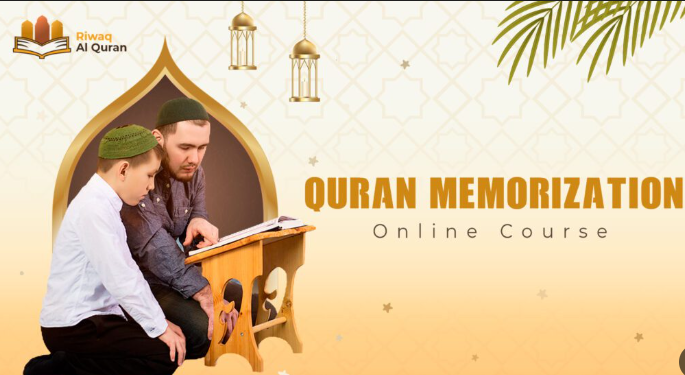
This table reflects the approach used in Riwaq Al Quran’s Online Quran Memorization Course for adult beginners learning prayer recitation.
Start your Hifz journey with a Free Trial
4. Apply the Essential Tajweed Rules That Govern Prayer Recitation
Tajweed is not optional decoration for advanced students. Certain rules govern how letters behave in recitation, and violating them in prayer can distort meaning.
For prayer-focused learning, three categories of Tajweed rules deserve immediate attention.
Understanding Tajweed rules at even a foundational level improves your prayer recitation quality immediately — and the benefits of Tajweed extend well beyond pronunciation correction alone.
Priority Tajweed rules for prayer recitation:
| Rule | What It Governs | Why It Matters in Prayer |
| Madd (elongation) | Lengthening specific vowel sounds 2–6 counts | Dropping elongation changes word meaning, Required in Al-Fatiha itself on “ولا الضآلّين” |
| Qalb (substitution) | Noon sakinah before Baa becomes Meem sound | Affects common phrases in short Surahs |
| Waqf (pausing) | Correct stopping points between verses | Prevents meaning distortion between sentences |
In our sessions at Riwaq Al Quran, the most consistent error non-Arabic speaking adults make in Al-Fatiha is dropping the elongation on “الضَّآلِّين” — the final word of the Surah.
The double elongation there (Madd Lazim) requires a full six-count hold, and students almost universally shorten it to two counts without realizing it.
Working through an Online Tajweed Course with an Azhari-certified tutor catches these errors before they become ingrained habits.
Enroll Now in the Best Online Tajweed Classes

Experience Riwaq Al Quran Classes
Watch real moments from our live sessions at Riwaq Al Quran and see how we bring learning to life. These clips highlight our interactive, student-focused approach designed to keep learners engaged, motivated, and actively involved in every step of their educational journey.
5. Memorize Short Surahs from Juz’ Amma in a Deliberate Sequence
After Al-Fatiha is secure, the next step is building a small but reliable set of Surahs for the additional recitation in prayer. Juz’ Amma — the final Juz’ of the Quran — contains the shortest Surahs and is the established starting point for this purpose across the classical Hifz tradition.
A practical memorization sequence for prayer readiness:
- Surah Al-Ikhlas (4 verses) — theologically essential, frequently recited
- Surah Al-Falaq (5 verses) — paired with Al-Nas in many Sunnah prayers
- Surah Al-Nas (6 verses) — completes the Mu’awwidhatain pair
- Surah Al-Kawthar (3 verses) — shortest complete Surah, ideal early addition
- Surah Al-Asr (3 verses) — high scholarly weight, brief and powerful
This sequence gives you enough variety to rotate Surahs across your five daily prayers without repetition, which is the Sunnah practice.
For a structured approach to building this repertoire, explore the Quran memorization techniques that support long-term retention alongside short-term prayer readiness.
6. Practice Recitation Inside Prayer
Memorizing a Surah at your desk and reciting it correctly in prayer are two different skills. The physical state of prayer — standing, bowing, prostrating — combined with the mental state of focus (khushu’) creates conditions quite different from seated memorization practice.
Students at Riwaq Al Quran are consistently advised to begin incorporating memorized passages into actual prayers as early as possible — even before the memorization feels “perfect.”
This does three things: it reveals which sounds collapse under real prayer conditions, it builds the mental association between the words and the act of worship, and it reinforces retention through repeated meaningful use.
A practical daily schedule for prayer-focused learning:
| Time | Activity | Duration |
| Morning (after Fajr) | New verse or phonetic drill | 10–15 minutes |
| Afternoon (after Asr) | Review previous material aloud | 10 minutes |
| Evening (after Isha) | Recite in actual prayer, note errors | Applied |
This kind of structured schedule mirrors the approach outlined in a focused Quran memorization schedule — consistency across small daily sessions produces faster results than occasional long sessions.
7. Seek Verified Correction from a Qualified Tutor, Not Only Audio Recordings
Audio recordings of renowned reciters are valuable listening tools — but they cannot tell you what you are doing wrong. Self-assessment of Arabic pronunciation is unreliable for non-native speakers, because the errors that matter most are often ones the student cannot hear in themselves.
In our tutors’ experience at Riwaq Al Quran, students who rely exclusively on audio imitation for 6–12 months often arrive with deeply ingrained mispronunciations of letters like ع (Ayn), ح (Ha), and ق (Qaf) — sounds that are systematically absent from European languages and require live correction to fix.
A qualified Azhari tutor provides real-time feedback, identifies the specific articulation point being missed, and gives targeted correction exercises. This is categorically different from pressing play on a recording.
Riwaq Al Quran’s Online Quran Recitation Course pairs every student with an Azhari-certified Hafiz for one-on-one sessions, with 24/7 scheduling available to students worldwide — and two free trial classes to begin.
Book Your Free Session in Riwaq’s Recitation Course

Read Also: How to Study the Quran?
8. Deepen Your Understanding Through Tafsir and Islamic Studies
Knowing what you are reciting in prayer elevates the act from mechanical repetition to genuine worship. Understanding the meaning of Al-Fatiha — as explained in classical Tafsir — transforms how you stand before Allah ﷻ in prayer.
Riwaq Al Quran’s Online Quran Tafseer Course provides authenticated meaning and context for the Surahs you recite daily, taught by qualified scholars rather than amateur summaries.
Equally, grounding your prayer practice within a broader understanding of Islamic worship — its rulings, its conditions, its spiritual dimensions — is addressed in the Best Islamic Studies Online Course. Understanding why Al-Fatiha is obligatory, what each verse means, and how classical scholars understood its recitation gives your prayer a depth that pronunciation alone cannot provide.
For students seeking to understand what Islamic Studies encompasses as a discipline, the Tafsir meaning article provides a valuable introduction.
Why Students Love Learning with Riwaq Al Quran
Hear directly from our students about how Riwaq Al Quran Academy has transformed their connection with the Book of Allah. Their experiences reflect the dedication, care, and quality that guide every step of our teaching.
Read Also: How to Study Quran Daily?
Begin Your Prayer Recitation Training at Riwaq Al Quran
Learning to recite the Quran correctly for prayer is one of the most impactful investments a Muslim can make — and you do not have to navigate it alone.
Thousands of non-Arabic speaking students have reached confident, correct prayer recitation through structured guidance.
At Riwaq Al Quran, you receive:
- One-on-one sessions with Azhari-certified Hafiz tutors
- Structured progression from phonetics through full Surah memorization
- Real-time pronunciation correction — not passive audio imitation
- Flexible scheduling across all time zones, 24/7
- Affordable plans starting from $32/month, with a 100% Money-Back Guarantee
We offer courses in Online Quran & Tajweed Classes, Arabic Language, and Islamic Studies.
- Online Quran Memorization Course
- Recitation Course
- Tafseer Course
- Tajweed Classes
- Online Quran Classes for Kids.
- Ijazah Program.
- Qirat Course.
- Arabic Language Classes.
- Islamic Studies Courses.
Enroll now for 2 Free Trial Classes

Conclusion
Learning Quran for prayer is not about mastering the entire Quran before you begin — it is about building the right foundations in the right order. Al-Fatiha comes first, then phonetics, then Tajweed essentials, then a small repertoire of short Surahs recited with genuine correctness.
The students who progress fastest are not those who practice longest — they are those who practice with live correction, apply what they learn inside actual prayers, and understand the meaning behind the words they recite. That combination of phonetic accuracy, structured memorization, and comprehension is what transforms prayer recitation from a performance into worship.
Insha’Allah, with consistency and the right guidance, confident and correct prayer recitation is fully within your reach — regardless of how far you feel from it today.
Read Also: How to Understand Quran Word by Word?
Frequently Asked Questions About Learning Quran for Prayer
Is It Necessary to Understand Arabic to Learn Quran for Prayer?
Understanding Arabic is not required to begin learning Quran for prayer, but it deepens the quality of worship significantly. You can memorize the correct pronunciation of Al-Fatiha and short Surahs without speaking Arabic. However, learning the meaning through Tafsir study — even at a basic level — transforms recitation from memorized sounds into engaged, conscious worship.
How Long Does It Take to Learn the Quran Recitation Needed for Prayer?
Most adult non-Arabic speakers can reach functional prayer recitation — correct Al-Fatiha plus three to five short Surahs — within 1 to 3 weeks of daily 15–20 minute structured practice with a qualified tutor. The timeline depends significantly on phonetic foundation. Students who build Arabic pronunciation skills first consistently reach this milestone faster than those who begin with memorization immediately.
Can I Learn to Recite Quran for Prayer Without a Teacher?
You can memorize the words without a teacher, but you cannot reliably verify your pronunciation without one. Arabic contains sounds absent from most languages, and self-assessment of these sounds is demonstrably unreliable. A qualified tutor identifies the specific articulation errors you cannot hear in yourself — errors that, left uncorrected, persist indefinitely and affect both recitation validity and prayer quality.
What Is the Best Surah to Learn First for Prayer?
Surah Al-Fatiha is always the first — it is obligatory in every rak’ah of every prayer. After Al-Fatiha is memorized correctly, Surah Al-Ikhlas is the recommended next step due to its brevity, theological weight, and frequency in the Sunnah. From there, Surah Al-Falaq and Al-Nas provide a complete and meaningful addition to your prayer recitation repertoire.
Does Tajweed Matter for Daily Prayer Recitation?
Yes — certain Tajweed principles are not optional in prayer. Mispronounced letters can alter the meaning of what is being recited. Scholars distinguish between errors that affect meaning (lahn jali) and those that do not (lahn khafi) — the former carries stronger rulings regarding prayer validity. Learning foundational Tajweed alongside memorization protects your prayer from avoidable errors.